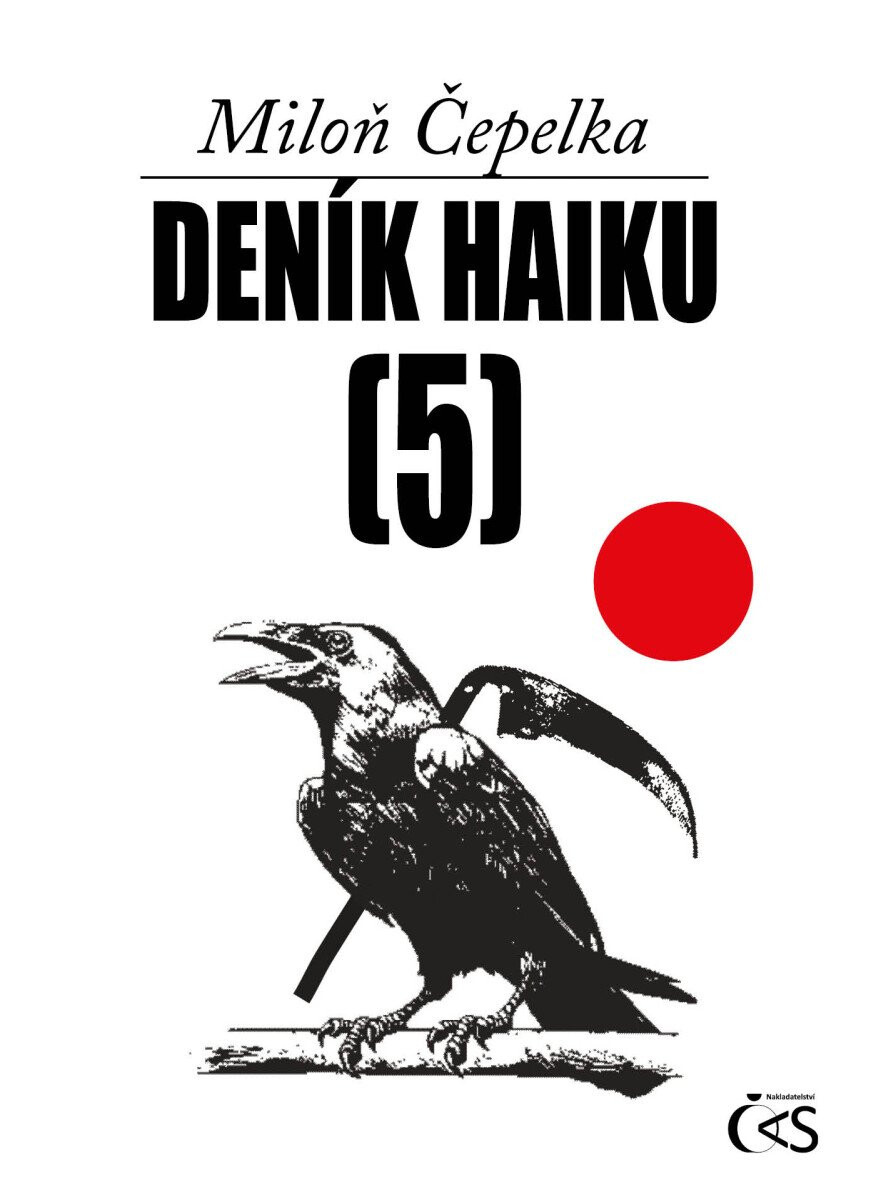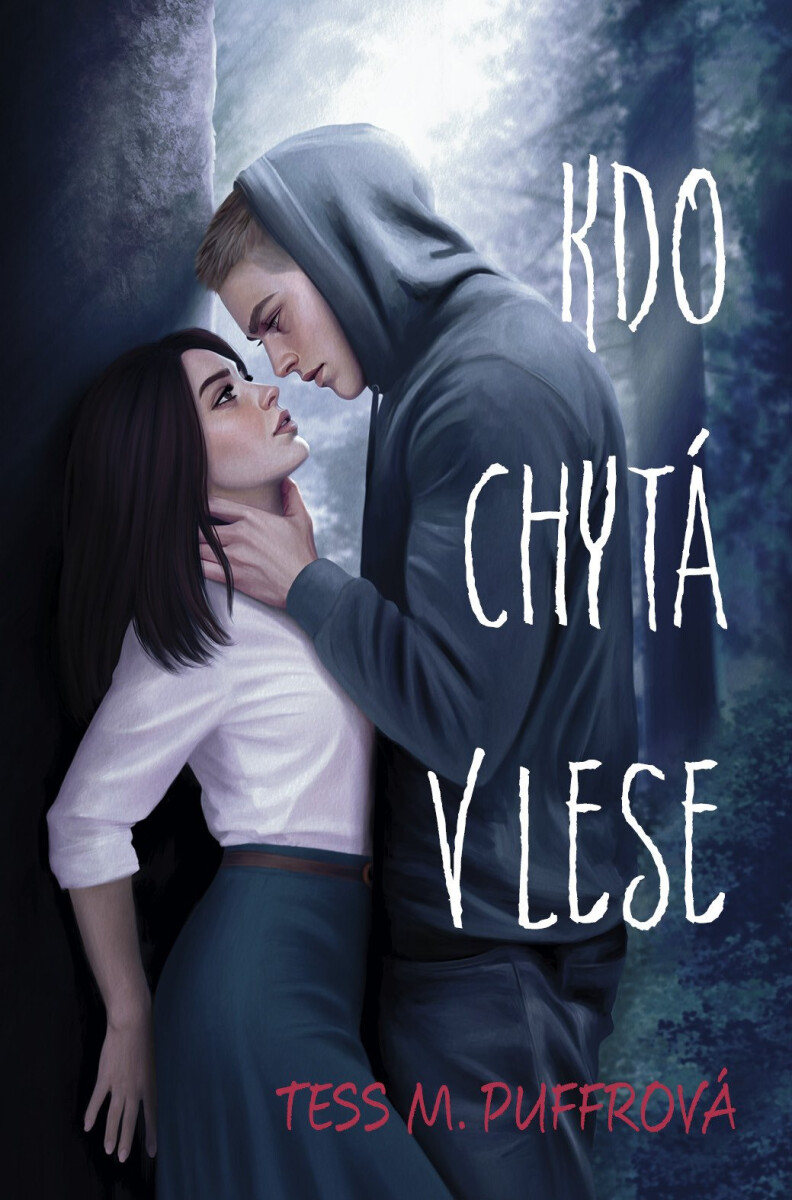
Deník haiku 3

a najít nejvýhodnější cenu za celou objednávku
Knihu Deník haiku 3 aktuálně nelze zakoupit v žádném z porovnávaných e-shopů...
Našli jsme knihu Deník haiku 3 - [E-kniha], nehledali jste ji náhodou i vy?

Krátký popis
Věci třeba i malé rozměrem, ale velké nápadem a obsahem, nepřicházejí na počkání. Trvalo dlouhých osm let, než se autor opět stal (jak sám sebe nazval) „slovosvodem“, a zrodil se následník Deníku haiku 2. Tento počin je dnes – stejně jako „jednička“ – beznadějně vyprodán. Což dosvědčuje, že…

Zobrazit celý popis
Výběr knih autora Miloň Čepelka

Zobrazit všechny knihy autora Miloň Čepelka
Výběr knih vydavatele Čas
Zobrazit všechny knihy vydavatele Čas
Naše tipy
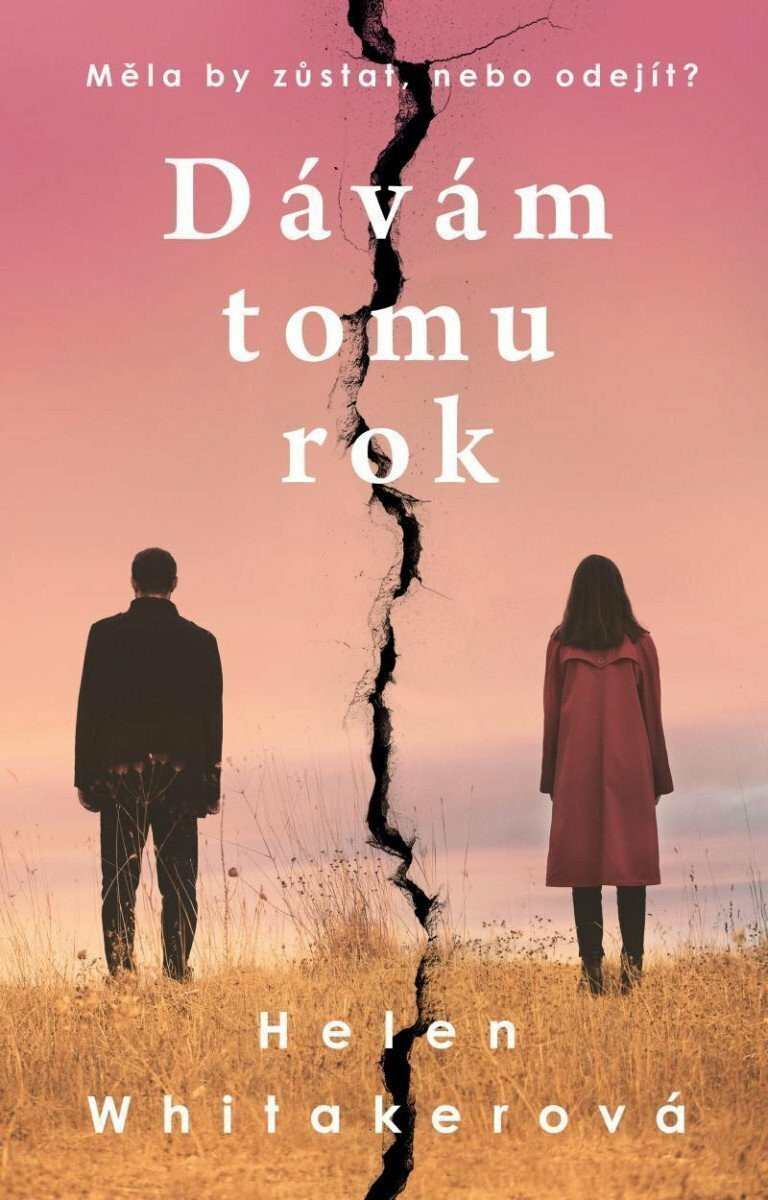

Lazar
Lazar - Biedermann Nelio

A truly great writer steps onto the stage Daniel KehlmannThe snow of the dying century still lay on the edge of the dark forest when Lajos von Lazar, the translucent child with water-blue eyes, first glimpsed the man he would believe to be his father for his whole life and beyond.Lajos von Lazar is brought into this world with the dawn of the new century, and his birth is both a miracle and a curse, his true patrimony a secret he will never know. The Lazars have ruled their Hungarian lands for generations. In their ancient castle by the edge of a dark forest that compels all who enter it to madness, they succumb to every vice and live only to satiate their desires. But the old order is crumbling, and the days of the Hapsburg Monarchy are numbered.When Lajos inherits, they at last have a baron who can reignite the old splendours, but not even his abilities are proof against the ravages of war and occupation. It will fall to his children - a boy who talks to shadows and a girl who eschews her blue blood - to find a way to stand against oppression and take the first faltering steps towards freedom.A sweeping epic, taking the reader from the beginning of the twentieth century to the Hungarian National Uprising of 1956, Lazar would be a phenomenal achievement for a writer of any age. With its air of timeless wisdom, it reads like rediscovered classic, making it all the more remarkable that it was written when the author was just twenty-one years old. Translated from the German by Jamie Bulloch